The Role of Media Literacy
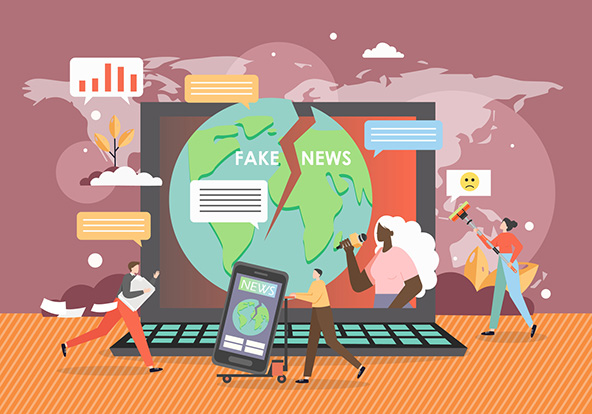 Image by iStock/axel2001 |
What is Media Literacy?
Media literacy is a term that describes a set of skills needed in order for individuals to access, understand, and decode media messages. This involves critical thinking skills, as well as having an understanding of how messages shape who we are and how information bias works. Media literacy does not just involve the consumption of media but the creation of it as well, which comes in a variety of forms and often combines text, images, video, or sound.
Why is Media Literacy Important?
These skills are more important now than ever before in the 21st Century. It is estimated that the average person consumes over 7.5 hours of media in a day. What we know about the creators of media is that very few companies are in charge of a large percentage of the media we consume daily. According to Tech Startups 37 years ago 50 companies controlled American media but today 6 "media giants" control 90% of our media - what we watch, listen to, and read. This means that we need to have careful awareness of what we consume and know how to analyze the messages coming at us all day long. Analyzing media means we need to ask ourselves: who is sending me this message and what are they trying to sell me - Products? Ideologies? Our students need to be taught these skills in order to make informed decisions as consumers as well as safely navigate the world.
The Fight Against Fake News
The spread of misinformation on Twitter and Facebook has been a huge topic of conversation in the last couple of years. Between Donald Trump and Covid-19, we've had our fair share of drama when it comes to media literacy. Some say media illiteracy contributed to more deaths related to the coronavirus. Elon Musk's recent purchase of Twitter (for 44 billion dollars) has rightfully garnered a lot of strong reactions from people and has contributed to this conversation of misinformation. Some worry that Musk will allow Trump to return to Twitter, which opens up the debate about how this platform helped him influence the American people and ultimately win the presidential election. Others worry that with Musk's claim to lesson free speech restrictions that harassment will become rampant. Twitter has has its fair share of problems over the years but it's still a powerful social media tool that I hope to continue to use as a professional and educational tool. Elon Musk's purchase of the platform further emphasizes the need for media literacy and that these are essential lifelong skills for all consumers and users of digital spaces.
Hobbs' 5 Competencies
- Access: Students need to be able to effectively find and share appropriate information using digital tools.
- Analyze: Students use critical thinking to analyze the message and credibility of the media.
- Create: Students use creativity and show competence in using digital tools to generate media.
- Reflect: Students reflect on the messages of digital media and their impact.
- Act: Students become active global citizens, communicating and acting in the larger community to share information and solve problems.
 |
| Image Copyright Renee Hobbs |


Like you, Laura, I am concerned about what Twitter will become once Elon Musk takes the lead. I also appreciate you introducing these competencies with our little learners. Imagine if all teachers started (and continued) to introduce media literacy concepts- by the time your young learners reached high school they would be ready to interpret and analyze as easy as they post.
ReplyDeleteHi Laura, Nice post. I like how you brought in some current events with Must purchasing Twitter. I too am concerned and do not understand how people can connect fake news and free speech. The free speech our founding fathers were talking about was the right to speak out against your government without fear of being killed or jailed. The new fight for free speech seems that some want to put out fake news that can potentially harm, I don't think our founding fathers would agree with this fight.
ReplyDelete